



The August CPI report Fed watchers treated as a slam-dunk hike signal turned out to be the last act of a tightening cycle that reversed itself within weeks. The headline read clearly enough: the Consumer Price Index for All Urban Consumers rose 0.40 percent month-over-month in August, up sharply from 0.10 percent in July, with the all-items index sitting 3.4 percent higher year-over-year before seasonal adjustment. By the consensus read, September’s Federal Open Market Committee meeting was already decided. The data underneath that read, however, told a more complicated story, one that only became fully visible in retrospect.
What the August CPI Report Fed Officials Were Actually Looking At
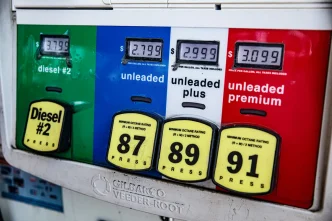
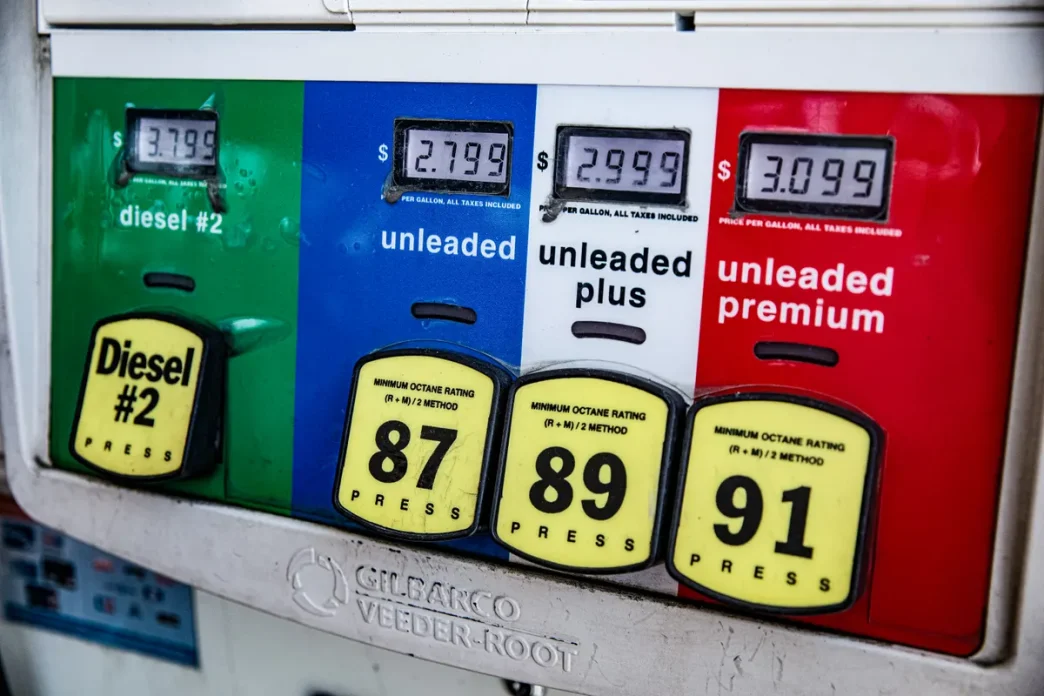
The energy component drove the monthly jump. Gasoline rose 3.90 percent on the month, pulling overall energy up 2.10 percent. Strip that out and the picture softens considerably: core CPI, excluding food and energy, came in at 0.29 percent month-over-month. Shelter added 0.26 percent. Medical care services fell 0.25 percent, though the report’s own author noted scepticism about that particular reading.
Food was more benign than the headline suggested, but the composition matters. The U.S. Bureau of Labor Statistics weights food at home at 8.23 percent of the CPI basket and food away from home at 5.29 percent. As the original analysis pointed out, actual consumer spending runs in roughly the reverse order of those weights, which means the reported food and beverage figure of 0.12 percent monthly and 2.9 percent year-over-year is likely flattered by the methodology. Tips, notably, are excluded from the calculation entirely.
On the year-over-year measures that the Fed monitors most closely, the picture in August was not one that invited patience. CPI core services ran at 3.02 percent. The Fed’s preferred gauge, PCE excluding food and energy, stood at 3.34 percent as of July. The original analysis made the point bluntly: 62 consecutive months of missing the PCE inflation target, 65 on the CPI. Against that backdrop, the case for holding rates looked thin.
The Consensus Got September Right, Then the Trajectory Wrong
A rate hike in September was, by most reads of the August data, a foregone conclusion. The gasoline surge, the sticky core services print, the PCE trajectory, each one pointed the same direction. Neither CPI nor PCE, as the analysis noted, counts property taxes, homeowner’s insurance, or home prices. Medical insurance costs carry their own methodological questions. The official numbers, in other words, likely understated the inflationary pressure consumers were actually feeling.
Here is where the consensus narrative ran ahead of the outcome. The Federal Reserve did not hike in September 2024. It cut, by 50 basis points, lowering the target range for the federal funds rate to 4.75 to 5 percent on 18 September 2024. The Board of Governors voted unanimously to lower the interest rate paid on reserve balances to 4.9 percent, effective 19 September 2024, according to the Federal Reserve’s implementation note.
The August CPI report, read at the time as sealing a hike, turned out to mark something closer to a peak in the tightening argument. The energy component that looked so alarming in the August data reversed sharply. Over the year ended September 2024, energy prices fell 6.8 percent, according to the Bureau of Labor Statistics. The headline CPI year-over-year rate dropped to 2.4 percent through September 2024, the smallest over-the-year increase since the twelve months ending February 2021.
The consensus error here was not in reading the August data incorrectly. The hike call was defensible from what was visible in that moment. The error was in treating a single month’s energy-driven spike as durable signal rather than noise, and in underweighting how quickly the gasoline contribution could swing the other way. The very component that made September’s hike look inevitable was also the one with the shortest half-life as a policy argument.
The Fed’s own 62-month run of missing on PCE was a real problem. It just turned out that the resolution ran in a direction most of the commentary in August 2024 did not anticipate: not further tightening, but a jumbo cut before the year was out.