


The dominant read on immigration enforcement treats economic disruption as a tolerable side effect. The Texas Cattle Feeders ICE disruptions now unfolding across Oklahoma, Kansas and Texas suggest the arithmetic is rather less comfortable than that framing implies.
A joint statement from the Texas Cattle Feeders Association, the Kansas Livestock Association and the Oklahoma Cattlemen’s Association describes the situation in blunt terms: ‘These ICE operations are having a massive chilling effect on the legal, documented, skilled workers that put beef on the table and keep the cattle supply chain moving.’ The organisations add that the disruptions will lead to higher beef prices for consumers.
Texas Cattle Feeders ICE Disruptions: What the Supply Chain Numbers Show
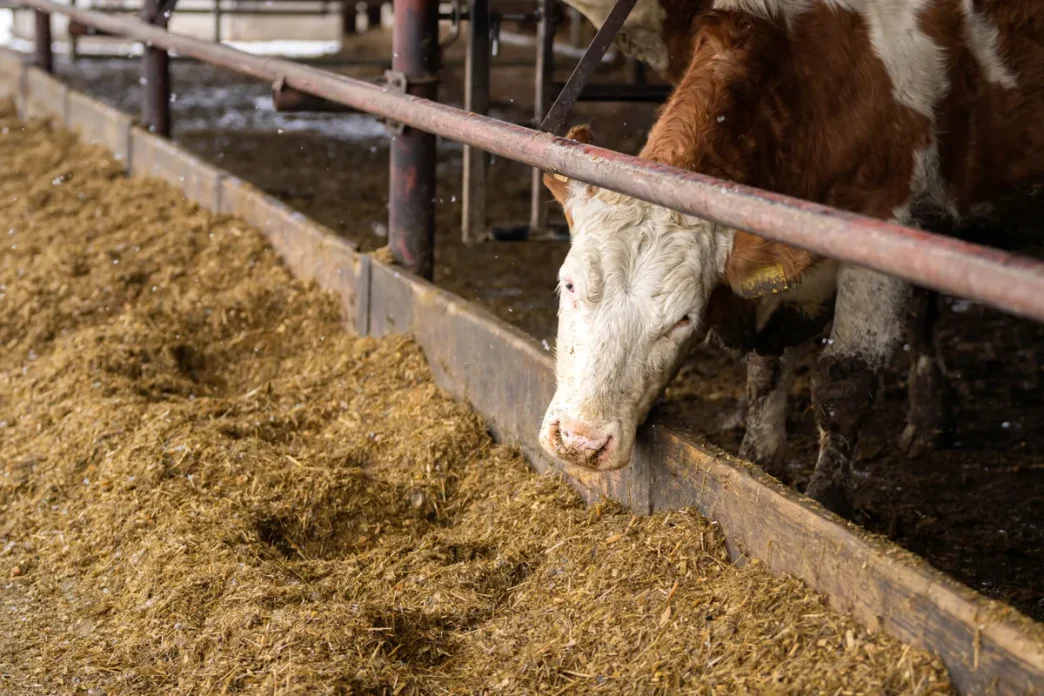
The joint statement does not trade in vague concern. It points to specific breakdowns: thousands of fed cattle slated for shipping to processors now delayed, resulting in millions of dollars in lost revenue and additional costs. Workforce disruptions have been reported at feedyards, dairies, processors, feed and grain companies, transportation hubs and community services, in other words, at every chokepoint along the supply chain, not merely at a single node.
The three associations are careful to acknowledge federal agencies’ right to enforce the law. What they contest is the execution. They urge officials to ‘conduct enforcement actions in a lawful, orderly, and transparent manner; respect due process; and communicate clearly with affected employers and communities.’ The frustration embedded in that language is plain. Their statement notes that ‘the harm these actions cause to cattle producers last for days and weeks after such operations conclude.’ An enforcement action with a finite timeline leaves a cost tail that extends well beyond it.
This is the second-order effect the prevailing enforcement narrative tends to collapse. The debate is usually framed as a binary between border security and permissiveness. The joint statement describes something more specific: an immediate animal-welfare consequence, a supply chain consequence and a consumer-price consequence, all traceable to the speed and opacity of how operations were carried out rather than to the fact of enforcement itself.
Iowa Farmers Union Endorsements Signal a Shift Worth Watching
Meanwhile, the Iowa Farmers Union has moved from observer to participant. The organisation announced endorsements of five Iowa Democrats running for Congress: Josh Turek for the US Senate, and Christina Bohannan (Iowa’s 1st District), Lindsay James (Iowa-2), Sarah Trone Garriott (Iowa-3) and Dave Dawson (Iowa-4) for the House.
Iowa Farmers Union President Aaron Lehman framed the decision in terms of necessity rather than ideology. ‘This election is too important to sit on the sidelines,’ Lehman said. ‘Farmers are facing unprecedented challenges, from unfair trade policies and corporate consolidation to threats to water quality and rural healthcare.’ The endorsements are an organisational signal, not merely a symbolic one. Farmers’ unions historically move cautiously on partisan endorsements. A full slate of Democratic endorsements in a state with Iowa’s agricultural weight reflects genuine calculation, not reflex.
The polling backdrop against which all of this is playing out deserves attention. Nate Silver’s aggregate placed Trump’s net approval on immigration at approximately minus 11.0% to minus 13.0%. The Economist/YouGov tracker recorded 40% approval against 53% disapproval on immigration, a 13-point deficit on what the same tracker has historically recorded as his strongest policy area. That is not a rounding error. It is a thesis under pressure.
The consensus error here may be assuming that agricultural constituencies, historically reliable supporters of stricter immigration enforcement in the abstract, will absorb supply chain damage without political consequence. The joint statement from three major cattle associations and a full Democratic endorsement slate from the Iowa Farmers Union are two data points pointing in the same direction. When the people actually operating the supply chain start issuing formal complaints and switching endorsements, the ‘tolerable side effect’ framing has a problem. The cattle are already delayed. The political costs, on current polling, appear to be compounding at a similar pace.