


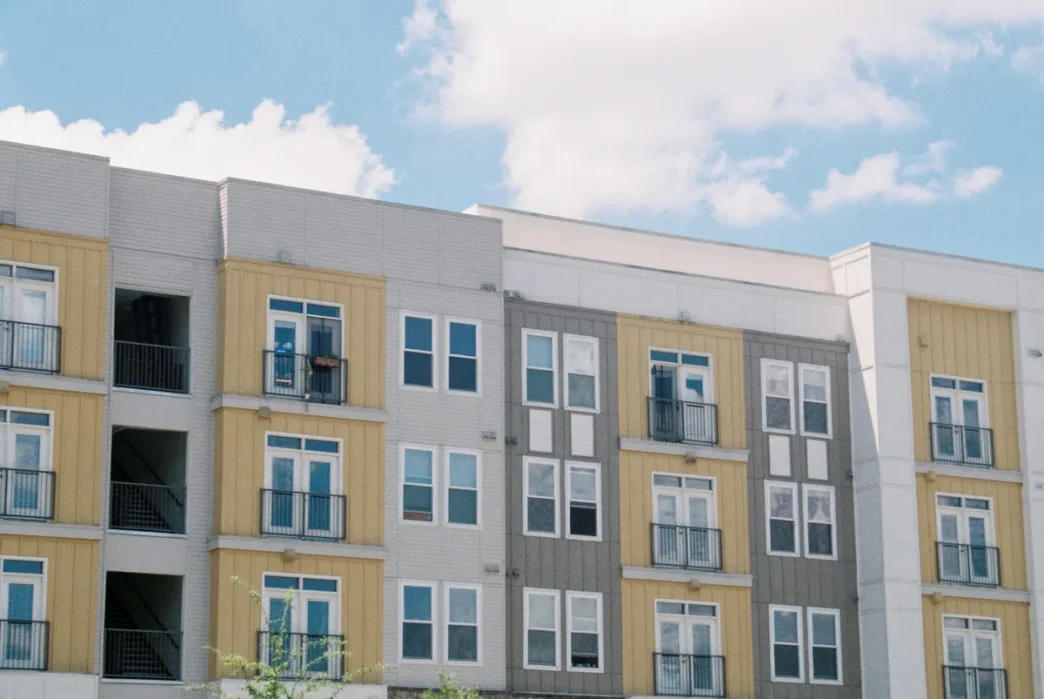
The consensus on US housing still leans heavily on single-family home resilience. The US condo price collapse unfolding across 34 larger markets suggests that framing is doing a great deal of work to obscure what is actually happening in a substantial slice of the market.
Data from the Zillow Home Value Index, covering seasonally adjusted three-month averages of mid-tier condos and co-ops through August, shows prices off by 15% to 34% from their respective peaks across those 34 markets. The vast majority of those peaks occurred in mid-2022, though a handful came later, in 2023 and 2024. A further 35 larger cities sit just outside the threshold, with declines of 8% to 14%. That is not a localised correction. It is a broad repricing event.
The Depth of the US Condo Price Collapse
The scale of the preceding run-up matters here. In the decade to their respective peaks, condo prices in many of these markets had risen by 180% to 350%. In the two years to mid-2022 alone, prices in specific markets jumped by 50%, 60%, or in some cases 70%, on top of already elevated bases. Those were not fundamentals-driven moves. They were, as Wolf Street describes them, bubbles, and they have started to deflate, in some markets with some force.
Cape Coral, Florida leads the list with a 34% decline from its July 2022 peak. Oakland, California is off 32%. St Petersburg, Florida has dropped 30%. Austin, Texas, once treated as a near-infallible growth market, is down 28%. In nine of the 34 markets, declines range from 21% to 34%. Three of those exceed 30%.
Six markets deserve particular attention because their condo prices have not merely corrected; they have fallen below the highs reached during the first US housing bubble in 2006. Cape Coral, Oakland, Fort Myers, Sarasota County, Orlando, and Contra Costa County in the San Francisco Bay Area are now priced at levels last seen roughly 20 years ago. Twenty years of nominal price gains, erased. The popular narrative of real estate as a reliable long-run store of value sits uncomfortably alongside that fact.
Structural Pressures the Headlines Are Not Pricing In
Several forces specific to condos make the popular read (that this is a temporary dip in an otherwise healthy market) harder to sustain. Unlike single-family homes, condo owners hold a fractional interest in a depreciating building plus a thin slice of the land beneath it. Over the long run, land appreciates; buildings do not. That asymmetry was masked when prices were rising. It is now visible.
In Florida especially, but not exclusively, older buildings face hefty special assessments for long-neglected structural repairs. Insurance costs in natural disaster zones have driven homeowners’ association fees sharply higher, adding to monthly holding costs. Higher carrying costs on a depreciating asset is not a combination that supports price recovery.
The investor demand that helped inflate the bubble is also retreating from multiple directions simultaneously. Foreign-based owners, frustrated with the US market, have become net sellers, adding supply at the same time as demand from foreign buyers has waned. Condo investors who relied on rental income now face direct competition from a wave of newly completed higher-end apartment buildings. And the elimination of near-zero interest rates has removed the financing subsidy that made speculative condo purchases arithmetically attractive.
The Fannie Mae blacklist adds a further, often overlooked layer of risk. Any building flagged on that list faces restricted financing, limiting the pool of potential buyers to cash purchasers who understand the discount they are entitled to extract. A single building’s classification can effectively lock in further price deterioration for every unit in it.
The secondary list of 35 cities with 8% to 14% declines is where the near-term story may develop most pointedly. Dallas, Irving, Sacramento, Huntsville, and San Antonio are, per Wolf Street’s analysis, only a few bad months away from crossing the 15% threshold into the primary group. San Francisco, frequently cited as a market re-energised by AI-sector investment, came off the secondary list in August, though condo prices there remain 7% below their 2022 peak.
The deflation in these markets is ongoing. Glendale, Arizona was added to the primary list in August. Houston and Tempe were added in July. No market came off the primary list in August.