


The Trump Canada tariff pause announced on 18 August 2026 is being read by most commentators as progress toward a trade agreement. The numbers underneath the headline suggest a more provisional picture, and the pipeline revival attached to it raises questions the three-day window will not answer.
What the pause actually is, and what it is not
President Trump posted on Truth Social that he was pausing the 50% tariffs against Canada for three days, citing what he called a deal, subject to the finalisation of documents. That qualifier matters. There are no published terms, no signed text, and no date certain. The Wall Street Journal, which reported the pause, described it as a pause on tariffs on certain goods while the two countries seek an agreement, language that is meaningfully different from an agreement having been reached.
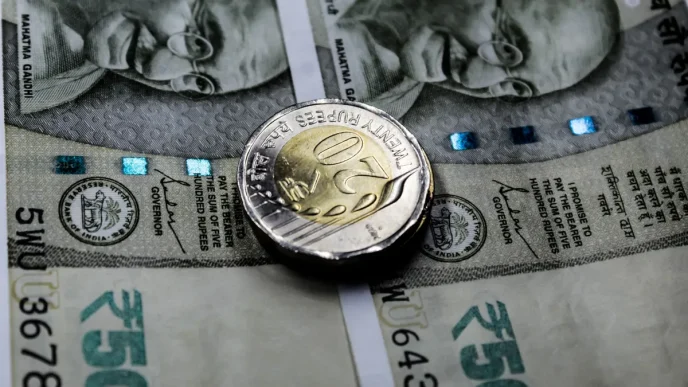
The tariffs in question were set to cover $20 billion worth of Canadian goods, covering roughly 5% of Canada’s annual exports to the United States, ranging from hockey sticks and electronics to plastics and building materials. They had been announced a month earlier. Canadian Prime Minister Mark Carney, who came to power promising to push back against US economic pressure, had said Canada could retaliate. Canada has been among the very few countries, alongside China, to respond to past US levies with tariffs of its own. That threat of escalation between two deeply integrated trading partners is what the pause is, for now, holding at bay.
Three days is not a margin in which complex trade documents get finalised. It is a margin in which the optics of a deal can be managed. Those are different things, and the consensus coverage is not making the distinction clearly enough.
The Keystone revival and what the energy numbers actually say
Attached to the tariff pause is a revival of Keystone XL, which Trump said may be “awoken from the grave” after being cancelled by the previous administration. CNBC reports that the planned pipeline would run from Alberta to Nebraska, and that in a follow-up post Trump shared an AI-generated image of himself pulling a pipeline labelled “KEYSTONE” out of the ground. The image is a reasonable metaphor for where the project actually stands: illustrative, not operational.
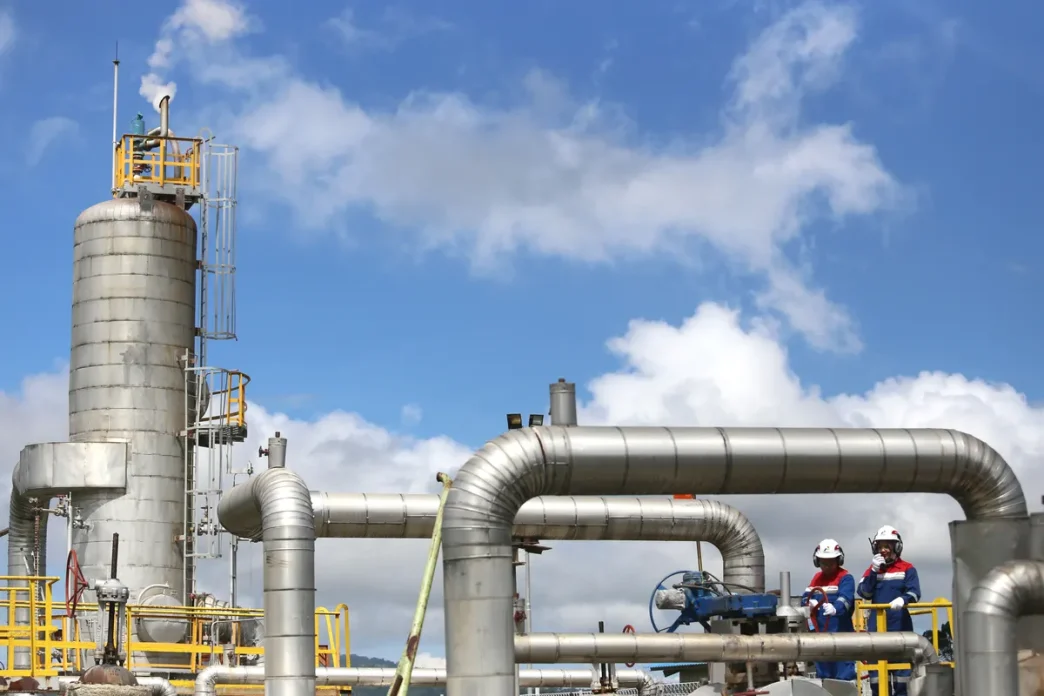
The energy backdrop to this negotiation is worth keeping in mind. Reuters reports that Canada sends roughly 4.4 million barrels per day of oil exports south of the border to the United States. That volume represents a degree of mutual dependence that gives both sides leverage and both sides exposure. A trade war that spilled into energy supply would not be a clean win for either party, which is precisely why the escalation has repeatedly been threatened and repeatedly paused rather than executed.
Canada is also not simply waiting on American pipeline infrastructure. Reuters reports that Canada is working to complete a planned 300,000 barrel-per-day expansion of the Trans Mountain pipeline, which runs from Alberta to the Pacific Coast, a route that, if fully operational, gives Canadian producers export options that do not depend on US goodwill or US infrastructure. The Keystone revival, framed by Trump as a concession to Canada, is arguably more attractive to US refining interests reliant on Canadian sour crude than it is to Canada itself. That second-order reading is largely absent from the coverage.
The consensus narrative on the Trump Canada tariff pause is that it reflects a softening, a deal taking shape, a return to normalcy between neighbours. That reading may prove correct. But it rests on the assumption that “subject to finalisation of documents” resolves itself in three days, that a pipeline announced via AI imagery moves toward construction, and that a pattern of announced-then-paused tariffs should now be interpreted differently from all the previous iterations. Each of those assumptions is doing a lot of work.
The tariff pause expires. The documents still need finalising. Canada’s Trans Mountain expansion keeps moving toward the Pacific regardless of what happens next.