




The dominant read on President Donald Trump’s Truth Social post of 8 October is that it amounts to a de-escalation gesture. The detail underneath that reading is considerably less reassuring, and the diplomatic record makes the framing harder to sustain than the headline suggests. Trump Iran midterm elections messaging has now shifted enough times in a matter of weeks to warrant scepticism about what any single declaration actually commits anyone to.
What Trump actually said, and what he did not
Trump’s post was unambiguous on one point: the United States would not attack Iran “at any time prior to the Midterm Elections to be held in the United States on November 3rd.” He described the existing blockade as remaining “in full force and effect,” cited 22 million barrels of oil moving through the Strait of Hormuz in a single night, and stated that none of that flow was Iranian. The declaration closed with a capitalised assertion: “IRAN WILL NOT HAVE A NUCLEAR WEAPON.”
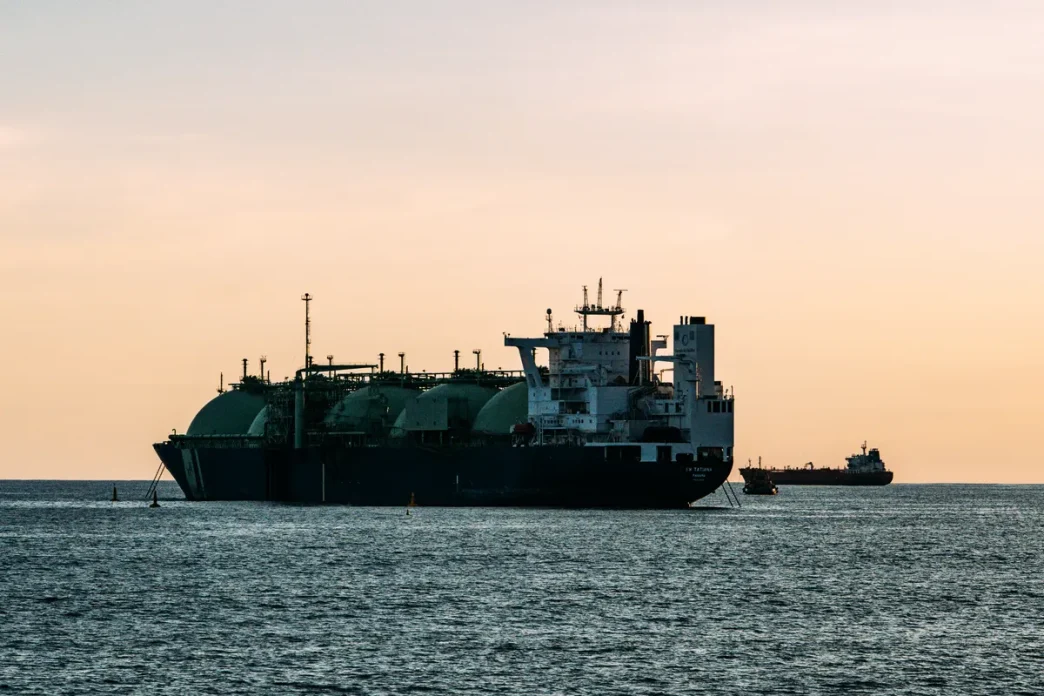
What the post did not address is the behaviour that has been occurring in the interim. Iran has been attacking supertankers in the Strait of Hormuz and infrastructure elsewhere in the Middle East. Trump’s pledge covers American offensive action; it says nothing about how the United States proposes to respond to Iranian moves against commercial shipping or regional targets before November 3rd.
The timeline also deserves scrutiny. On 9 September, WCNC reported that Politico had published Trump’s claim that the Iran war would end “immediately after” the midterm elections, with Trump attributing Iranian escalation to a deliberate strategy to damage Republican prospects in November. That framing places the timing of any resolution squarely in political rather than military or diplomatic logic.
The ceasefire that already came and went
The consensus coverage treats the October pledge as the critical moment in the diplomatic arc. It may be more useful to look at what preceded it. The United States and Iran signed a short-lived interim agreement in June, according to WCNC, intended to establish a 60-day ceasefire and a framework for a permanent peace. That agreement did not hold. The war continued. The October statement is therefore not the beginning of a peace process; it arrives after a previous ceasefire attempt collapsed and a conflict that Trump had initially suggested would be brief has extended considerably longer than he indicated it would.
Against that backdrop, the current round of diplomacy carries a different weight. The Press Pad reports that U.S. Special Envoy Steve Witkoff and Iranian officials are exchanging proposals aimed at reducing tensions. That is a real channel, and it matters. But exchanges of proposals are not agreements, and proposals are not binding commitments from either side. The May-to-June sequence showed how quickly an interim arrangement can unravel.
There is one piece of the diplomatic picture that the consensus may be underweighting. NBC News reports that Iranian President Masoud Pezeshkian suggested his government was willing to make a deal with the United States to end the war before Americans go to the polls in November. If both sides have an electoral incentive to reach an agreement before November 3rd, the political logic at least runs in one direction for a few more weeks. Whether that shared incentive survives contact with the actual terms of any deal is a separate question entirely.
The second-order problem the pledge creates
A declared pause in American offensive action carries an unintended structural consequence. If Tehran has now received explicit confirmation that no U.S. military strikes are coming until after the midterms, the calculus for Iranian action in the Strait of Hormuz and across the region changes accordingly. The pledge was presumably designed to signal restraint and good faith. It simultaneously provides a fixed window of reduced American threat during which other actors, including those not bound by Washington’s electoral calendar, can operate with adjusted risk assumptions.
Trump’s own words frame the end point clearly: the war ends “immediately after” the midterms, and discussions with the Islamic Republic are described as “productive.” The Witkoff channel remains open. What the record of the past several months suggests is that productive discussions and a signed interim ceasefire were both present in June, and neither proved durable. The November 3rd deadline is the next concrete date on the calendar.