



The prevailing read on Amazon Prime Air Richardson is that it is a localised teething problem: noisy drones, annoyed residents, the usual friction that accompanies any new technology. The New York Times covered it as a suburb overwhelmed. What that framing underweights is that Richardson is not an aberration, it is a preview, and the operational and legal architecture already in place makes it very difficult for any other community to get a different outcome.
What Amazon Prime Air Richardson Actually Looks Like on the Ground
Richardson gave Amazon zoning approval to begin drone deliveries in December, as part of the company’s Prime Air programme. The service promises delivery of tens of thousands of items in as little as 30 minutes, at no charge or up to $4.99. In the neighbourhoods nearest the distribution centre, residents describe dozens of drones passing overhead daily, sometimes exceeding a hundred, operating from 7am to 8pm under city regulations. Amazon has told residents the drones fly outbound at an average of 225 feet; the Federal Aviation Administration’s ceiling is 400 feet.
Nikki Anderson described the sound as drones going ‘zoom, zoom, zoom, back and forth from morning until past dinnertime.’ Scott Bratcher, president of a homeowners’ association in a neighbourhood residents have taken to calling a drone highway, put the broader implication plainly: ‘What’s happening in Richardson is about to happen all over the country.’
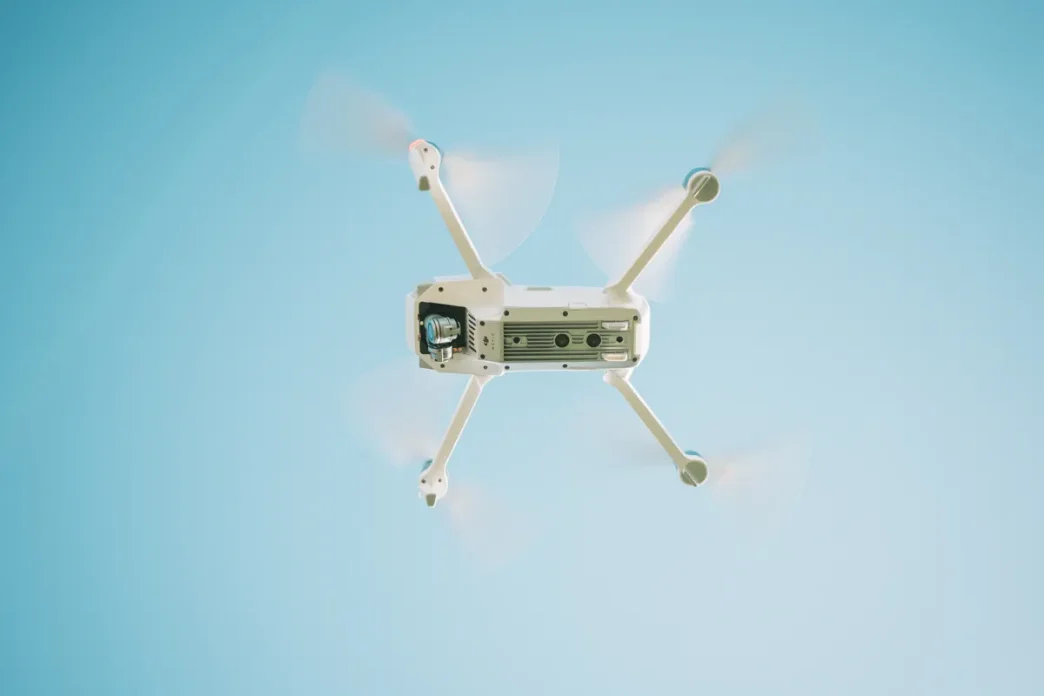
The numbers give some weight to that. According to Quiet Skies TX, the Richardson facility delivered over 13,000 orders in its first months of operation. That is a material throughput for a single launch site in its early phase. The drone in use is the MK30, which received FAA approval in October 2024. Quiet Skies TX also notes that the MK30 is electric-powered with a maximum takeoff weight of 83.2 pounds, a figure worth holding in mind when residents describe the acoustic experience as comparable to a flying lawn mower.
The Regulatory Constraint Nobody in the Consensus Is Pricing In
Here is where the ‘local problem’ framing starts to break down. The FAA holds exclusive legal authority over all United States airspace from the ground up. Municipal governments are federally prohibited from creating local no-fly zones, restricting altitudes, banning routes, or regulating aircraft noise while drones are in flight. Amazon operates Prime Air under an official FAA Air Carrier Certificate. The only lever local residents actually hold is scrutiny of ground-level zoning approvals for new distribution and drone-launch facilities, and that lever only works before a facility opens.
According to the Federal Aviation Administration, Amazon plans to operate commercial drone delivery from 22 Prime Air Drone Delivery Centres located throughout Texas. Richardson is one site. The architecture being built out across a single state alone suggests the scale the consensus is not yet modelling. Last month, Amazon announced that Prime Air deliveries would expand to 500 towns and cities by the end of the year. The FAA has separately forecast that the number of registered drones could reach more than 3.5 million by 2030, up from 897,000 currently.
Other companies are running drone delivery programmes alongside Amazon, which means the congestion question compounds. Brian Rowe, an executive in tech and cybersecurity who has attended Richardson city council meetings to register complaints, has flagged a further wrinkle: a company recently began testing air taxis in the Dallas-Fort Worth area. They resemble Amazon drones in profile but are considerably larger. The airspace management question, already unresolved for small commercial drones, does not get simpler when larger autonomous aircraft enter the same corridors.
Ms Puri, one Richardson resident who has installed a drone tracker, recorded 52 drones overhead on what she described as a slow day, including three flying between 150 and 170 feet, low enough to be distracting from inside her home. A protest outside the Amazon distribution centre in June drew residents carrying signs reading ‘Too low, too loud, too many.’ Amazon delivery drivers, whose livelihoods the programme puts at risk, reportedly honked in support as they passed.
The consensus frames this as a noise complaint. The more uncomfortable read is that it is a structural preview: a federally protected service, expanding rapidly, with local governments legally unable to intervene once a facility is operational, and 22 Texas launch sites already in the pipeline. Richardson residents pushing for zoning scrutiny of future facilities are pursuing the only avenue that remains open. The window for that, in most cities on Amazon’s 500-town list, may already be narrowing. A fuller account of the regulatory landscape and local residents’ response is being maintained by The New York Times.