



The consensus reading of the Perm refinery drone attack is straightforward enough: Ukraine hit a big target, diesel prices will jump, and the war’s energy front is escalating. That reading is not wrong, but it leaves out the parts that make this strike harder to dismiss as a tactical gesture.
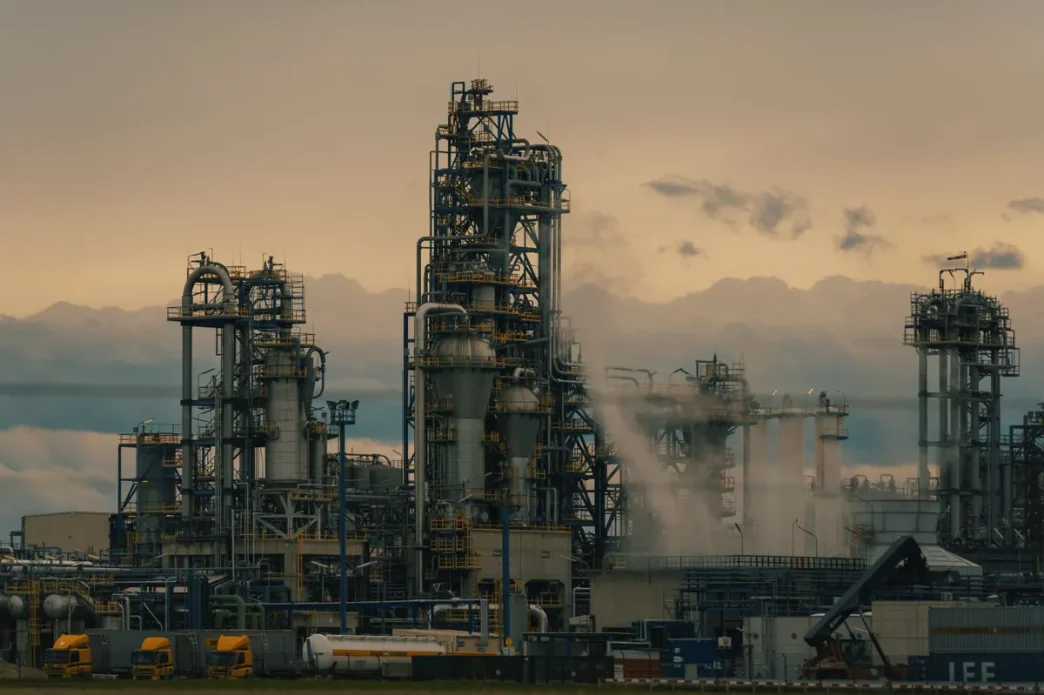
Russia’s Perm oil refinery was struck by Ukrainian drones in the early hours of 25 September 2026, setting the facility alight. Also hit was the Iskra defence plant in the same city. The fire at the refinery was confirmed by multiple accounts, with images of smoke circulating widely.
What the Perm Refinery Drone Attack Actually Hit
The facility in question is the Kyiv Post-identified Lukoil-Permnefteorgsintez refinery, Russia’s seventh-largest, with a reported annual refining capacity of over 13 million metric tons of crude. That is not a peripheral installation. Seventh-largest in a country whose entire economic architecture leans on hydrocarbon processing puts this facility in a different category from the smaller refineries Ukraine has struck previously.
The distance involved sharpens the picture further. Perm sits over 1,500 kilometres from the Ukrainian border, deep in the Ural region. Reaching it requires drones capable of sustained long-range flight, and successfully hitting a target at that range suggests Ukrainian capabilities have expanded beyond what the early phases of the energy campaign could manage. The strike is not just a data point about fuel supply; it is a statement about reach.
Lukoil has not, at the time of writing, issued a public statement on the scale of the damage or any timeline for restoring operations.
Diesel Prices and the Refinery Campaign
The near-term market implication is the easy part of the analysis. As MishTalk noted, with another refinery hit, diesel should take another leap higher in the coming days. Russia has already banned exports of refined fuel following sustained Ukrainian strikes on processing infrastructure, and that ban has not been lifted. Gasoline and diesel prices had been moving higher since February.
The consensus may be overweighting the Ukraine-attribution of recent price moves, however. One comment thread on the original report pointed out that Ukrainian attacks on Russian refineries began systematically well before the February price spike, which coincided with a separate escalation involving Iran and the Strait of Hormuz. Blaming the Perm refinery drone attack for a price trajectory that predates it by months does not fully hold up. The causal chain is messier than the headlines suggest.
What the refinery campaign has clearly done, over time, is reduce Russia’s domestic processing capacity and push the country into a defensive posture on fuel exports. A ban on refined fuel exports is not a sustainable position for a petrostate; it is a symptom of supply stress. Each additional strike on processing infrastructure compounds that stress, regardless of which specific attack triggered which specific price move.
The Strategic Calculus Before a Potential Halt
There is a political dimension here that the energy-price framing tends to obscure. Pressure has been building to include energy infrastructure in any ceasefire or strike-halt arrangement. If such a halt is imposed, Ukraine’s ability to degrade Russian refining capacity would be suspended. The Perm strike, deep in Russian territory and targeting one of the country’s most consequential refineries alongside a defence plant, reads in that context as an attempt to inflict durable damage before any window closes.
Whether the Iskra defence plant damage compounds the strategic effect or is a separate priority remains unclear from what has been confirmed so far. What is clear is that striking both a major refining asset and a defence facility in the same city, at over 1,500 kilometres’ range, is not an operation mounted without considerable planning.
Russia’s seventh-largest refinery is on fire. The Perm refinery drone attack extends Ukraine’s energy campaign further into Russian territory than most earlier strikes reached. The fuel price effect is the short-term story; the long-term story is whether Russian refining capacity can absorb this kind of attrition without forcing a change in posture that goes beyond an export ban.