



The consensus read on July’s inflation data is that PCE inflation above the Fed’s 2.0% target came in slightly hot but remains broadly manageable. The numbers underneath that framing are considerably less reassuring, and one specific component (gasoline) carries an adjustment that most consumers will find difficult to square with what they actually paid at the pump.
PCE Inflation Above Fed Target: The Headline Figures
July’s Personal Consumption Expenditures (PCE) data showed year-over-year PCE at 3.7%, with PCE goods also at 3.7% and PCE services at 3.7%. Core PCE, which strips out food and energy, came in at 3.3%. The Econoday consensus had pencilled in 0.1% month-over-month and 2.6% year-over-year; the actual readings exceeded both.
For context: PCE goods bottomed at -1.2% in September 2024. PCE services bottomed at 3.357% in October 2025. Core PCE bottomed at 2.6% in April 2025. Every one of those components has been climbing back since its respective trough. The direction of travel is not ambiguous.
Year-over-year PCE inflation has now run above the Fed’s 2.0% target for 65 consecutive months, dating back to March 2021. The CPI figures are somewhat softer, headline CPI at 3.4%, core CPI at 2.5%, but CPI is not the Fed’s preferred metric. PCE is. The gap between where the Fed’s target sits and where its preferred measure actually reads is not a rounding error at this point.
The Gasoline Adjustment That Warrants a Second Look
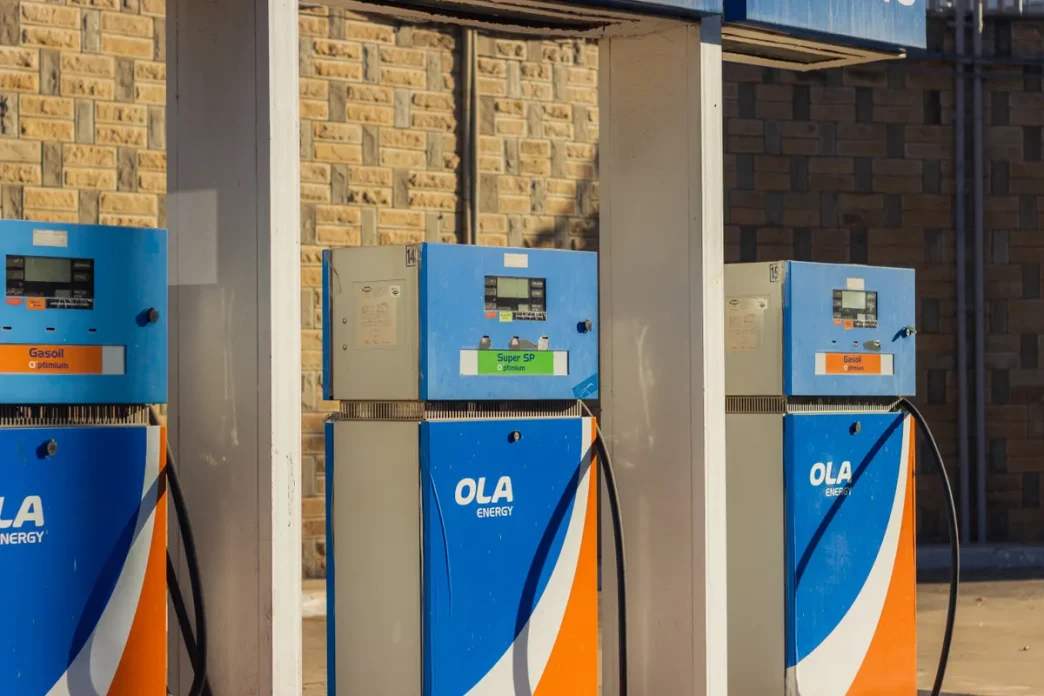
On a month-over-month basis, the Bureau of Economic Analysis (BEA) reported PCE inflation at 0.2%, with goods at -0.11%. The goods figure rests partly on the BEA’s claim that gasoline prices fell 2.7% in July, following a 9.2% decline in June. That second number is where the popular read starts to fray.
Weekly unadjusted pump prices from AAA tell a different story. The national average stood at $3.83 on 2 July, rose to $3.94 by 16 July, climbed to $4.09 by 23 July, and held at $4.09 on 30 July. A raw average of those four weekly readings produces a monthly figure of roughly $3.98. June’s trajectory ran in the opposite direction: the national average had dropped heavily from a $4.30 peak down into the $3.80s, producing a raw monthly average of roughly $3.96. On an unadjusted basis, gasoline prices actually rose by about 0.5% in July.
The gap between a +0.5% unadjusted increase and a -2.7% reported decline is entirely a function of the Bureau of Labor Statistics’ seasonal adjustment algorithm, which the Bureau of Economic Analysis also applies. Seasonal adjustment is not inherently illegitimate, but when it converts a cash-price increase into a reported decline of nearly three percentage points, the resulting goods inflation figure deserves more scrutiny than it typically receives.
The practical implication: if goods inflation is being systematically flattered by a seasonal adjustment that does not match observed pump prices, the headline PCE read may be more benign than the underlying reality warrants. The consensus may be overweighting the nominal print and underweighting the adjustment artefact inside it.
Spending Up, Saving Down, and Services Driving the Pressure
The income and spending figures that accompanied the PCE release add another layer. According to Yahoo Finance, personal income climbed $115.1 billion, or 0.4%, for the month. Disposable personal income rose 0.5%. Consumer spending increased $36.3 billion, or 0.2%, in July, driven by an $86.2 billion gain in spending on services that was partly offset by a $49.9 billion decline in spending on goods.
The personal saving rate came in at 3.0%. That is not a crisis-level figure on its own, but it does indicate that consumers are spending into their income rather than building a buffer, and services spending is the engine. Services PCE inflation, having bottomed at 3.357%, is the component most resistant to the Fed’s existing posture, and that resistance is showing up directly in where consumers are directing their money.
The bull case for a soft landing rests on the assumption that services inflation will moderate on its own as the labour market cools. Services PCE has not meaningfully cooled since its October 2025 trough. Whether the Fed treats 3.3% core PCE as “the new 2.0%” or as a problem requiring action is the question that the next Federal Open Market Committee meeting will have to answer, whether its members acknowledge the framing or not.