


The prevailing read on Trump’s Iran nuclear apology remarks is that they are political noise, a combative president doing what he always does. The economic arithmetic underneath them is less comfortable to dismiss.
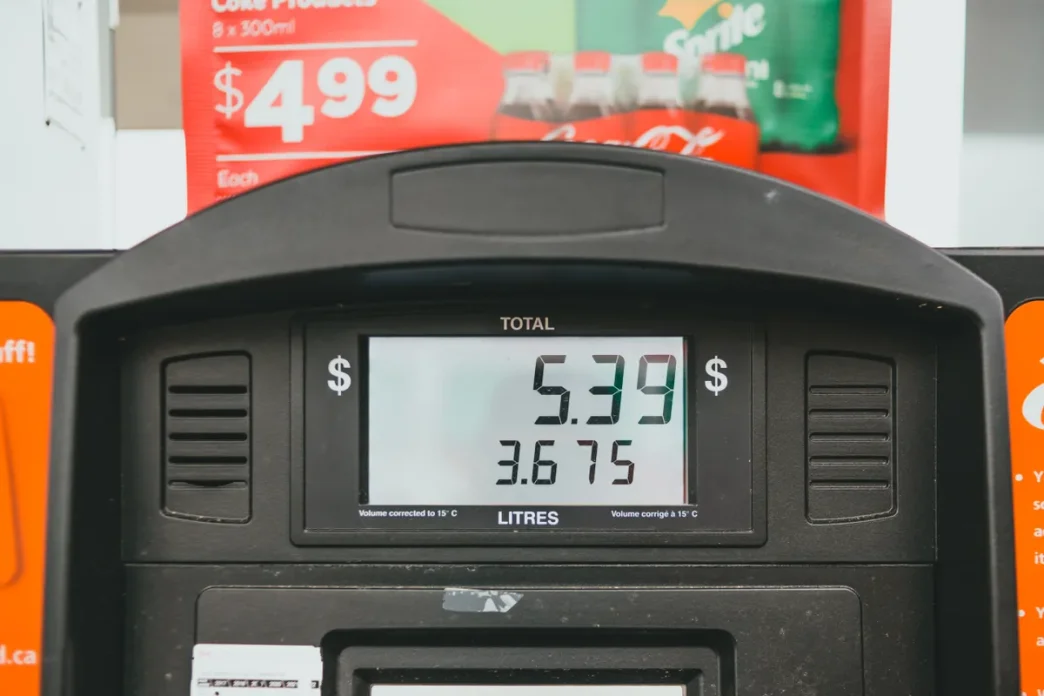
Trump’s own framing was blunt: ‘For you to pay a TINY little bit more for your gasoline, you’re doing it so that a very evil country cannot have a nuclear weapon. Remember that when you’re paying $4. I’ll never apologize.’ The ‘tiny’ qualifier is the part worth scrutinising. Gasoline and diesel are visible price points, but they are nowhere near the full ledger.
The ‘Tiny’ Framing and What It Leaves Out
The cost pass-through from this standoff runs well beyond the pump. Fertiliser, aluminium, copper, microchips: these are all caught in the same tariff and supply-chain disruption web. Farmers, to pick one constituency not generally enthusiastic about absorbing input shocks, are looking at diesel costs running some 46% higher. Whether that qualifies as ‘tiny’ depends heavily on your margin structure, and most agricultural operations do not have margins wide enough to shrug it off.
The military ledger adds another column. According to three US officials familiar with the matter, as reported in the report’s commentary, the US military has lost at least 45 MQ-9 Reaper drones during the conflict with Iran, representing roughly 25% of its fleet. Each drone costs between $30 million and $50 million. That is a direct capital destruction figure that sits entirely outside the consumer price conversation, and it has received little of the attention the petrol price has.
The Diplomatic Backdrop: An MoU That Did Not Hold
The political context matters here too, and it complicates the straightforward ‘strength versus weakness’ framing on both sides. On 17 June 2026, President Trump and Iranian President Masoud Pezeshkian signed a memorandum of understanding, according to the Congressional Research Service. The existence of that agreement makes Trump’s current posture harder to read as a clean escalation narrative: there was a negotiated framework, and whatever has unravelled since is part of the story the ‘never apologise’ line is working to paper over.
Marc Ginsberg, described as a former US ambassador and White House adviser, offered a pointed read to Al Jazeera: ‘In the end, Donald Trump is going to do what he needs to do in order to save his soul regarding the upcoming midterm elections and his increasing loss of popularity at home.’ Ginsberg’s argument is that Tehran has a structural advantage in any war of attrition because it is not facing an electoral calendar. ‘The Iranians are watching the polls here,’ he said, adding that the regime calculates Washington will eventually ‘walk away from all of its demands, and in the end, they’ll wind up getting sanctions relief.’
That is not a fringe view, and the betting markets appear to be pricing in at least some version of it. Domestic political pressure is visibly shifting: MishTalk noted that two betting markets now have Democrat Talarico ahead in the Texas Senate race, and a breakdown of the USMCA trade arrangement with Canada is described as ‘increasingly likely.’ These are not isolated data points.
The consensus error here may be treating the Trump Iran nuclear apology moment as purely rhetorical, a piece of political performance with no lasting consequence. The harder question is whether the costs being dismissed as ‘tiny’ are actually accumulating faster than either side of the domestic political debate is acknowledging. Drone attrition, fertiliser price inflation, a fraying trade deal with the country’s largest trading partner, and a diplomatic memorandum that appears to have failed to hold: these are second-order effects that do not fit neatly into either the ‘strong president’ or ‘reckless president’ narrative.
Retail sales already fell 0.6% in July as the tax refund stimulus effect faded. The midterm campaign will be fought on economic ground whether the White House chooses that terrain or not.