




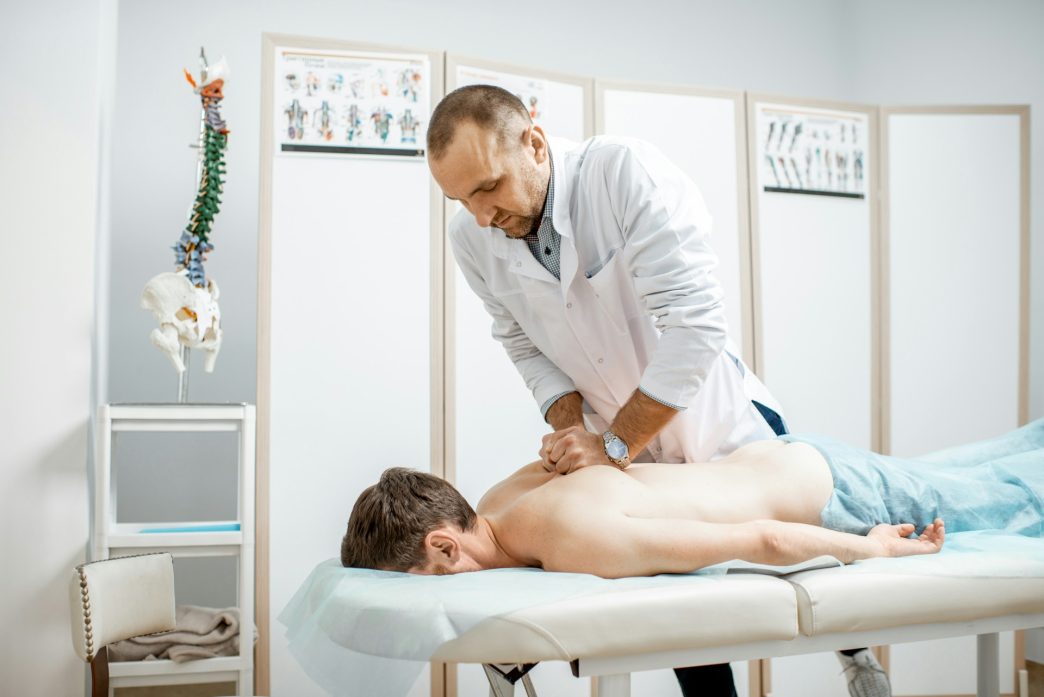
Rise Bodyworks is an award-winning combined gym and wellness center in Alameda, California that offers a comprehensive approach to fitness and recovery. Established in 2010, Rise Bodyworks provides an integrated experience that includes a full gym, massage therapy, chiropractic care, Pilates, yoga, and both group and personal training. Located in a historic red brick building on Park Street, the facility features state-of-the-art equipment and private treatment rooms where clients can access bodywork services such as acupuncture, physiotherapy, and active release techniques. Certified trainers with credentials from nationally accredited programs design individualized programs using modalities that range from functional training and CrossFit to rehabilitative exercise and Pilates. Through this holistic model, Rise Bodyworks connects movement, recovery, and professional guidance to help clients better understand how different therapies support the management of everyday physical discomfort.
How Massage and Chiropractic Care Treat Different Types of Discomfort
Massage and chiropractic care can serve as options for hands-on help with everyday pain. Massage therapy usually focuses on muscles and other soft tissues, while chiropractic adjustment improves joint motion, often in the spine. Here, “different types of discomfort” means muscle soreness after activity, stiffness from limited movement, and nerve-related symptoms such as tingling, numbness, traveling pain, or weakness.
Noticing how discomfort behaves can guide the next step. Some pain stays in one area and feels like tightness or tenderness. Other pain occurs mainly with motion, such as twisting to reach a seat belt or bending to pick something up. Symptoms that travel down an arm or leg or are accompanied by tingling deserve extra caution.
Massage is appropriate when the problem feels muscular and concentrated in one region. A massage therapist works directly on soft tissue and can adjust pressure in real time based on how the client responds. Many schedule a massage for a tight upper back after desk work, or for tense hips after running or strength training. Some clinics also use myofascial release on the fascia and nearby tissues that feel restricted.
Exercise-related soreness, commonly called delayed-onset muscle soreness, usually appears within one to three days after a new or intense workout. Massage may make the area feel looser and movement easier, but it does not replace recovery time or gradual training progression. When the same pattern repeats at every workout, workload, or technique, or when rest is insufficient, these factors can contribute more than a lack of hands-on care.
Chiropractic care tends to make more sense when discomfort seems tied to joint motion. During a visit, a chiropractor reviews symptoms, checks the range of motion, and tests which movements reproduce the pain. In some cases, imaging such as X-rays helps rule out problems that would change the plan or make manipulation unsafe. Chiropractic treatment relies on exam findings to guide the plan, not just the complaint.
Evidence reviews of non-drug pain treatments list both massage and spinal manipulation among options that may offer small improvements in pain levels or daily function for some chronic pain problems. Response varies: some individuals improve noticeably, while others feel only small changes. Health history, risk factors, and symptom behavior all influence whether a given approach makes sense.
Nerve-related symptoms require extra caution because they can signal a different problem than ordinary soreness. A pinched nerve can cause tingling, numbness, burning pain, or weakness along the nerve’s path. Radiating pain is discomfort that spreads from its origin, such as low back pain that shoots into the leg. Sciatica is a common example and can feel sharp or electric.
Warning signs such as loss of bowel or bladder control, sudden leg weakness, severe pain after an injury, or fever with back pain should prompt urgent medical evaluation instead of bodywork alone. Even without those red flags, spinal manipulation can cause short-term effects such as soreness, stiffness, fatigue, or headache. A chiropractor should screen for conditions that make manipulation unsafe, including severe osteoporosis or new neurological changes.
A practical way to use hands-on care is to treat the first few visits as checkpoints rather than a long-term commitment. During that early stretch, track whether function improves, stays the same, or worsens, such as easier turning, less stiffness when standing, or fewer symptoms traveling into the arms or legs. When no clear improvement occurs or symptoms intensify, the plan should change rather than continue indefinitely, and medical evaluation becomes the safer next step.
About Rise Bodyworks
Rise Bodyworks is a combined gym and wellness center located in Alameda, California, offering fitness training alongside therapeutic services such as massage and chiropractic care. Operating since 2010, the facility provides personal and group training, Pilates, yoga, and bodywork treatments in a spacious environment equipped with modern strength and conditioning tools. Certified trainers design individualized programs using diverse training methods. Rise Bodyworks has also received recognition in Alameda Magazine’s “Best of” rankings, including honors for its Pilates studio.