



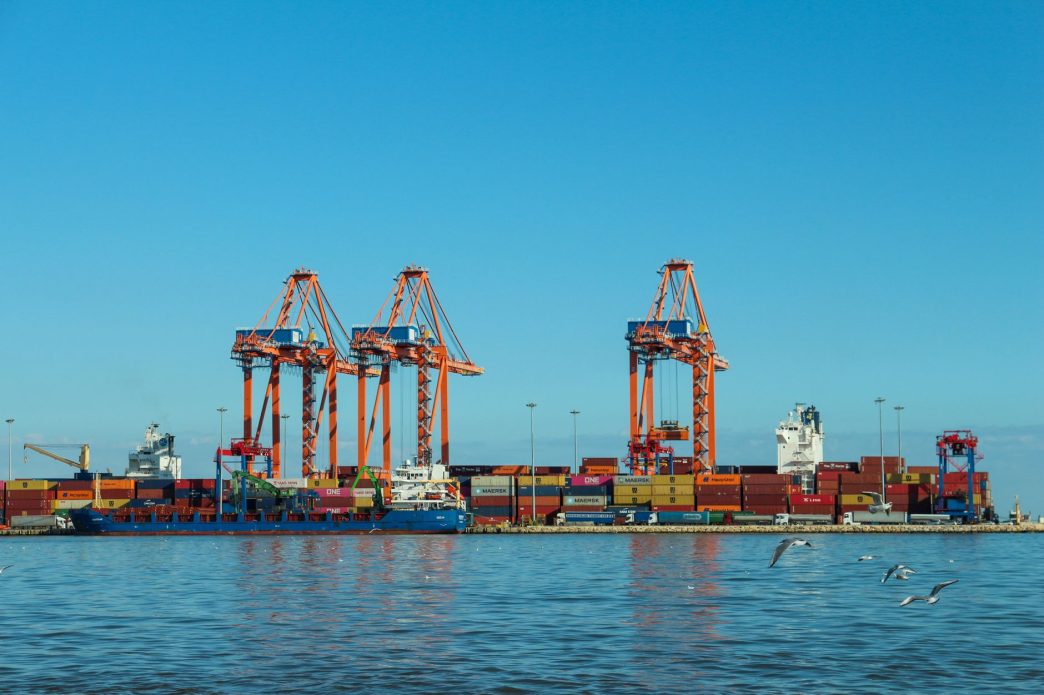
Businesses that transport goods across cities or countries often rely on multiple transport routes to complete deliveries. During this process, cargo may be transferred from one vehicle container or vessel to another before reaching its final destination. This process is known as transshipment.
While transshipment helps businesses move efficiently across long distances, it can also increase the chances of cargo damage. Improper handling, delays or accidents during cargo transfers can lead to financial losses for businesses.
This is why having suitable marine and cargo insurance becomes important for companies involved in transportation.
What is Transshipment in Cargo Transportation?
Transshipment refers to the transfer of goods from one mode of transport to another during transit. For example, cargo may move from a truck to a ship at a port or from one vessel to another before reaching its final delivery location.
This process is common in both domestic and global logistics. Businesses use transshipment when direct transportation routes are unavailable or when goods need to pass through multiple transit points.
In India, industries such as manufacturing, pharmaceutical, e-commerce and exports regularly rely on transshipment for smooth cargo movement. However, every additional loading and unloading stage increases the possibility of cargo mess, handling and damage.
This is where freight cargo insurance can help businesses manage transit-related risks more effectively.
Common Causes of Cargo Damage During Transshipment
There can be various reasons behind the damage and loss incurred to a cargo during transshipment. One of the most common causes is improper handling during unloading and loading. Heavy machinery, fragile packages or poorly secured cargo may suffer physical damage when moved between transport vehicles.
Another major reason is inadequate packaging. If goods are not packed properly, they may be exposed to moisture or pressure during transit. Weather conditions can also affect cargo during transshipment. Goods that are temporarily stored at port, warehouses or open transit areas may get damaged due to humidity, rain or extreme heat.
Delays during transportation can create additional risk. For instance, perishable goods, chemicals or temperature-sensitive products may deteriorate if shipment remains stuck at transit points for extended periods.
In some cases, cargo may also face theft, pilferage or container damage during temporary storage or route changes.
Who is Responsible for Cargo Damage During Cargo Transhipment?
The responsibility of cargo damage during transshipment depends on the terms agreed upon between the shipper, transporter, freight forwarder and logistic provider. Transport companies are generally responsible for handling goods carefully during transit.
However, liability may vary based on shipping contracts, carrier terms, and the nature of the damage. For example, if the cargo damage happens due to poor packaging by the sender, the transporter may not be held responsible.
Natural disaster or unavoidable transit disruption may also limit carrier liability in certain situations. This is why businesses should carefully review transport agreements and insurance coverage before shipping goods.
Having proper marine and cargo insurance can help businesses reduce financial uncertainty arising from cargo-related losses during transit.
What Should Businesses Do if Cargo Gets Damaged?
If cargo gets damaged during transshipment, businesses should take immediate action to avoid delays in claim processing. The first step is to inform the transporter and insurance company as soon as possible. Note that any kind of delay in reporting may affect your claim settlement procedures.
Businesses should also document the damage properly through photographs, videos and written inspection reports. Further, important shipping documents, such as invoices, delivery receipts, packaging list and transport record, should be preserved carefully.
If required, the insurer may appoint a surveyor to assess the accident and cause of the damage. Businesses should cooperate fully during this process and provide all necessary documents.
Final Words
Transshipment plays an important role in modern cargo transportation, especially for businesses involved in large-scale domestic and global trade. However, every cargo transfer point can increase the risk of accidental damage, handling-related losses and delays.
Understanding these risks and preparing for them in advance is essential for businesses that regularly transport goods.
Proper packaging, reliable logistic partners and suitable marine and cargo insurance coverage can help businesses reduce financial losses during transit.
Most importantly, choosing the right cargo insurance policy from a trusted insurance company like TATA AIG can provide support when cargo moves through multiple transit points before reaching its final destination.