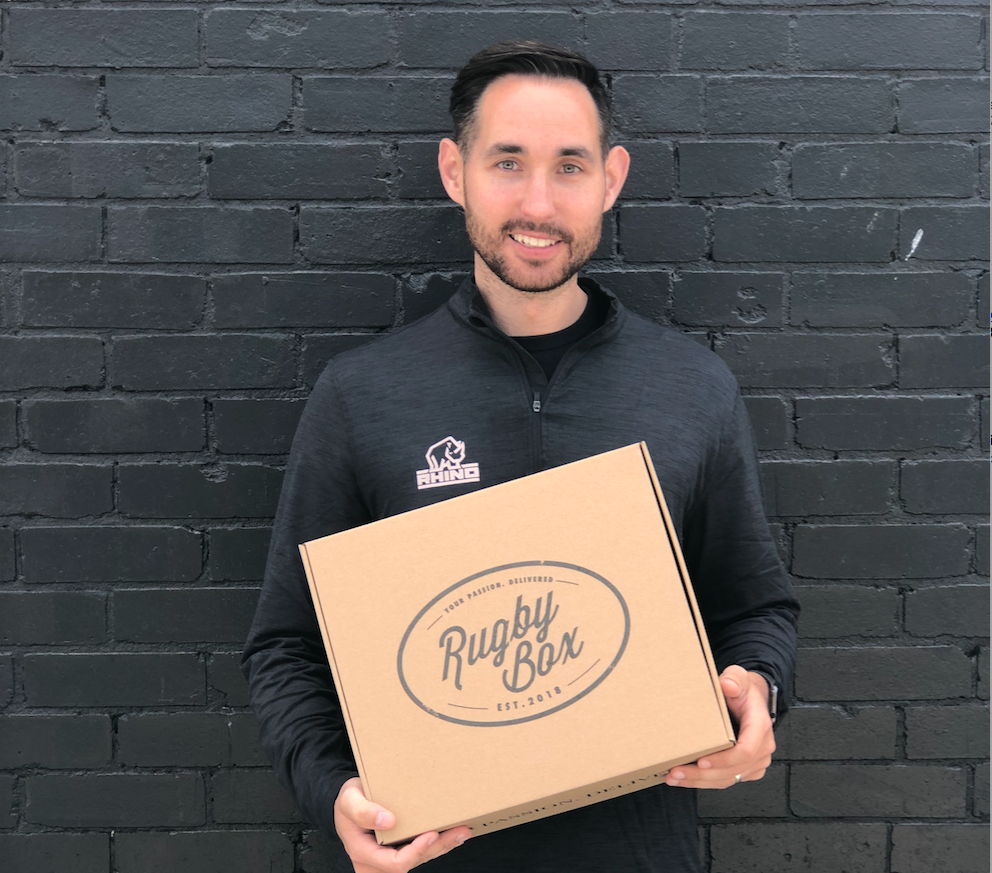



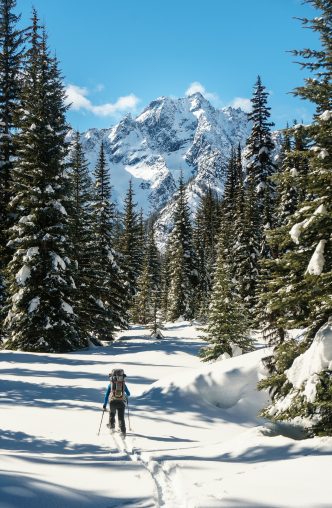
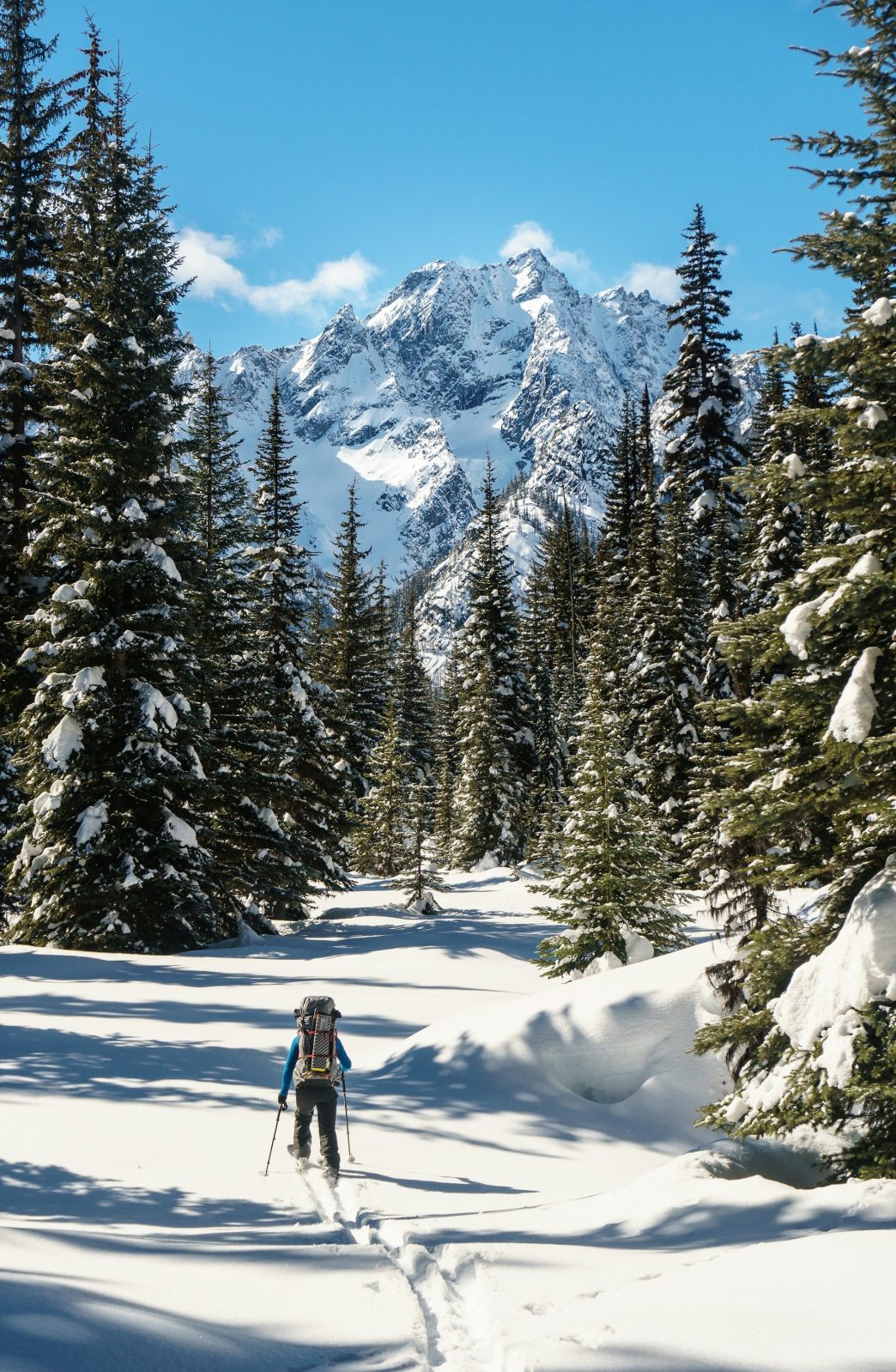
John Mullaly, a private investor based in Cohasset, Massachusetts, maintains an active outdoor lifestyle that includes uphill skiing, running, and mountain biking. With more than two decades of experience in healthcare institutional equity sales, research, and capital markets, he has worked closely with analysts, traders, and investment bankers while advising biotechnology companies on investor relations and financing. Alongside his professional work in the life sciences sector, John Mullaly stays engaged with endurance-based mountain activities that require steady effort and preparation. His experience with uphill skiing, sometimes called skinning, reflects the same focus on discipline and efficiency that characterizes many endurance sports. Participants climb slopes using specialized touring equipment before skiing down, often choosing the activity for its fitness benefits, flexible timing, and quieter mountain environment compared with traditional lift access skiing.
How Uphill Skiing Works and Why Some Skiers Choose It
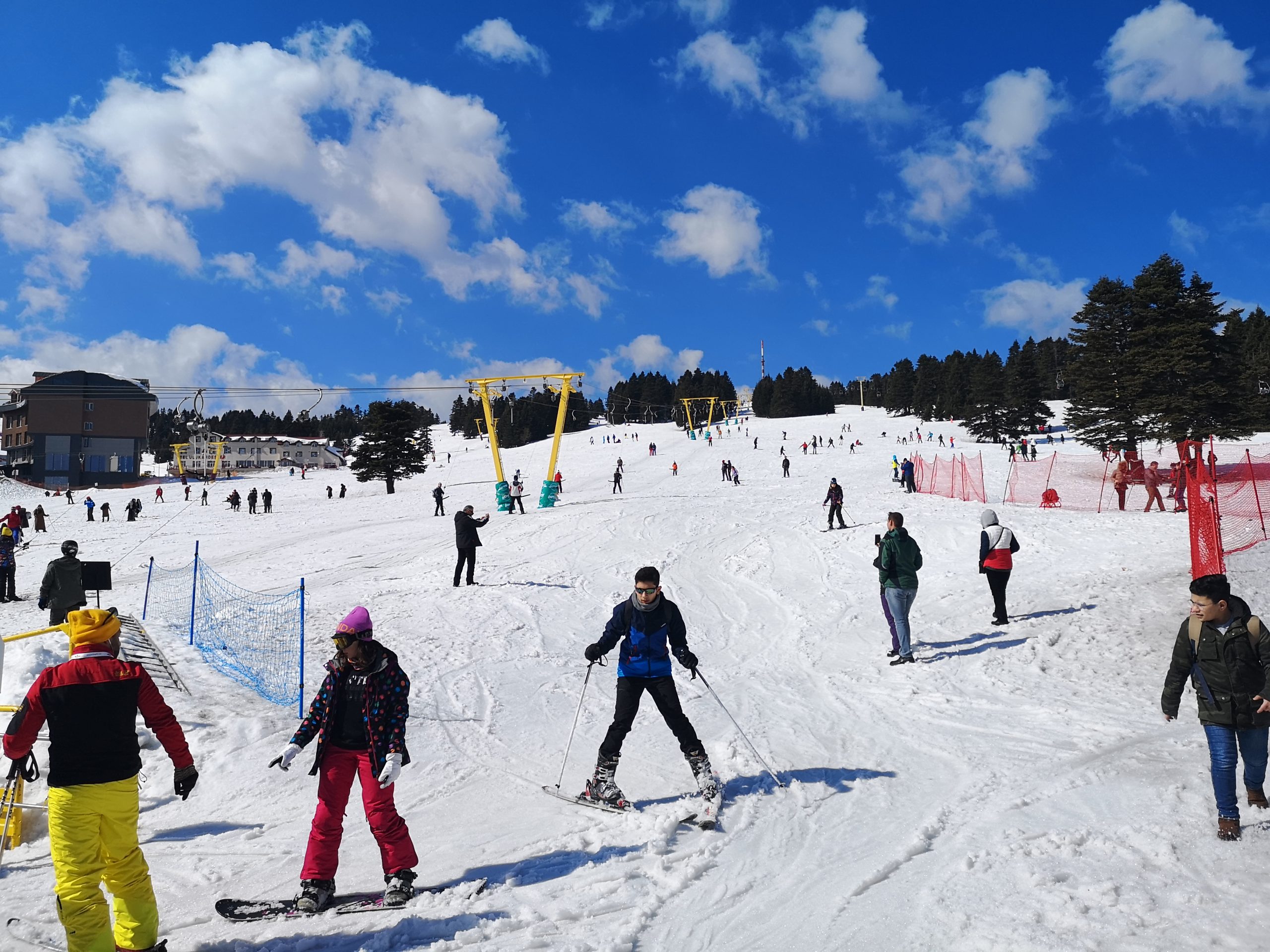
In recent years, more skiers have turned to uphill skiing, climbing slopes with specialized gear and then skiing back down without relying on chairlifts. This activity, often called “skinning,” appeals to those seeking steady physical effort, flexible access on their own schedule, and time away from crowded, lift-served runs. Key motivations include improving fitness, enjoying a quieter atmosphere, and having the freedom to access terrain when lifts are closed or unavailable.
Uphill travel uses climbing skins that let skis glide forward but not backward. Touring bindings release the heel for climbing, and boots switch to walk mode for more ankle movement. At the top, skins come off, and bindings lock down for descent. Many resorts designate specific uphill routes and limit travel to published times and paths.
Compared with traditional downhill equipment, uphill-specific gear prioritizes mobility and reduced weight. Touring skis and bindings are lighter than standard alpine setups, making climbs more efficient. Boots feature walk modes, and bindings shift between uphill and downhill settings, often with heel risers that ease calf strain on steep terrain. Many resorts and shops offer uphill gear rentals, while some skiers use heavier downhill setups with compatible frame bindings and skins for resort laps.
Climbing well means being efficient instead of simply fast. Short, deliberate strides help skins grip, and steady pole plants maintain rhythm on steep ground. Instead of lifting each ski with every step, efficient skinning keeps skis gliding on the snow to save energy. On switchbacks, kick turns allow skiers to change direction easily on narrow tracks.
Uphill skiing can take place on approved resort trails or in backcountry terrain. Many ski areas support the activity by establishing marked uphill routes, setting access rules, and sometimes requiring an uphill pass. These policies reduce conflict with grooming operations and downhill traffic, especially during low-visibility or off-hours travel. Outside resort boundaries, uphill travel can enter avalanche terrain, where formal training, checking published avalanche forecasts, and standard avalanche rescue gear, including a transceiver, shovel, and probe, become core preparation.
Timing and weather create additional challenges because climbers stay outdoors longer and often travel in low light. A headlamp and reflective or high-visibility outer layers improve visibility during early or late travel windows. Resort policies also stress staying visible around on-snow vehicles.
Motivations for uphill skiing vary. Some participants use resort laps to build fitness and become familiar with touring gear, while others prefer the quiet atmosphere before lifts open or after they close. The climb resembles a long, gradual hike on skis, which can appeal to people who already enjoy endurance-based mountain activities. Even when advanced downhill technique is not the focus, uphill travel still requires preparation, controlled movement, and attention to local route rules.
The physical effort of climbing often shapes the downhill plan. Because skinning can fatigue legs before the descent, many skiers choose familiar terrain and maintain a controlled pace instead of chasing speed. A steady pace on the climb helps keep the descent controlled and decision-making clear.
As more ski areas formalize uphill policies and outdoor brands refine touring gear, the activity continues to expand as a resort option. Some skiers treat resort uphill laps as an introduction to backcountry touring demands, including gear transitions, layering decisions, and pacing. This versatility positions uphill skiing as both a lift alternative and a skillset for deeper seasonal engagement with the mountain.
About John Mullaly
John Mullaly is a private investor and advisor with more than 25 years of experience in healthcare institutional equity sales, investment banking collaboration, and investor relations for biotechnology companies. Based in Cohasset, Massachusetts, he has worked closely with specialized healthcare investors and growth oriented investment banks while helping companies refine messaging and investor outreach. He holds an MBA from the Questrom School of Business and a BA in economics from Northeastern University, and maintains an active lifestyle that includes uphill skiing, running, and mountain biking.