



It’s easy to underestimate the emotional force of a simple plush toy until you hand one to a child at a crowded event and watch their eyes widen. That instant sense of comfort, of personal delight—brands are taking notes. In a time when digital ads blink past us by the hundreds each day, the tactile connection of something soft and huggable cuts through like few things can. This isn’t sentimental nostalgia. It’s strategy. Plush toys are becoming a remarkably effective tool in soft marketing—used not to sell, but to be remembered.
Emotional branding has always mattered, but now it’s central. When customers feel emotionally bonded to a brand, loyalty follows naturally. They’re not just buying a product—they’re endorsing a feeling. Plush toys work precisely because they’re not overtly promotional. They whisper comfort. They imply care. And for brands, they linger long after the campaign ends. According to recent research, consumers with strong emotional ties to a brand are significantly more valuable than those who are merely satisfied.
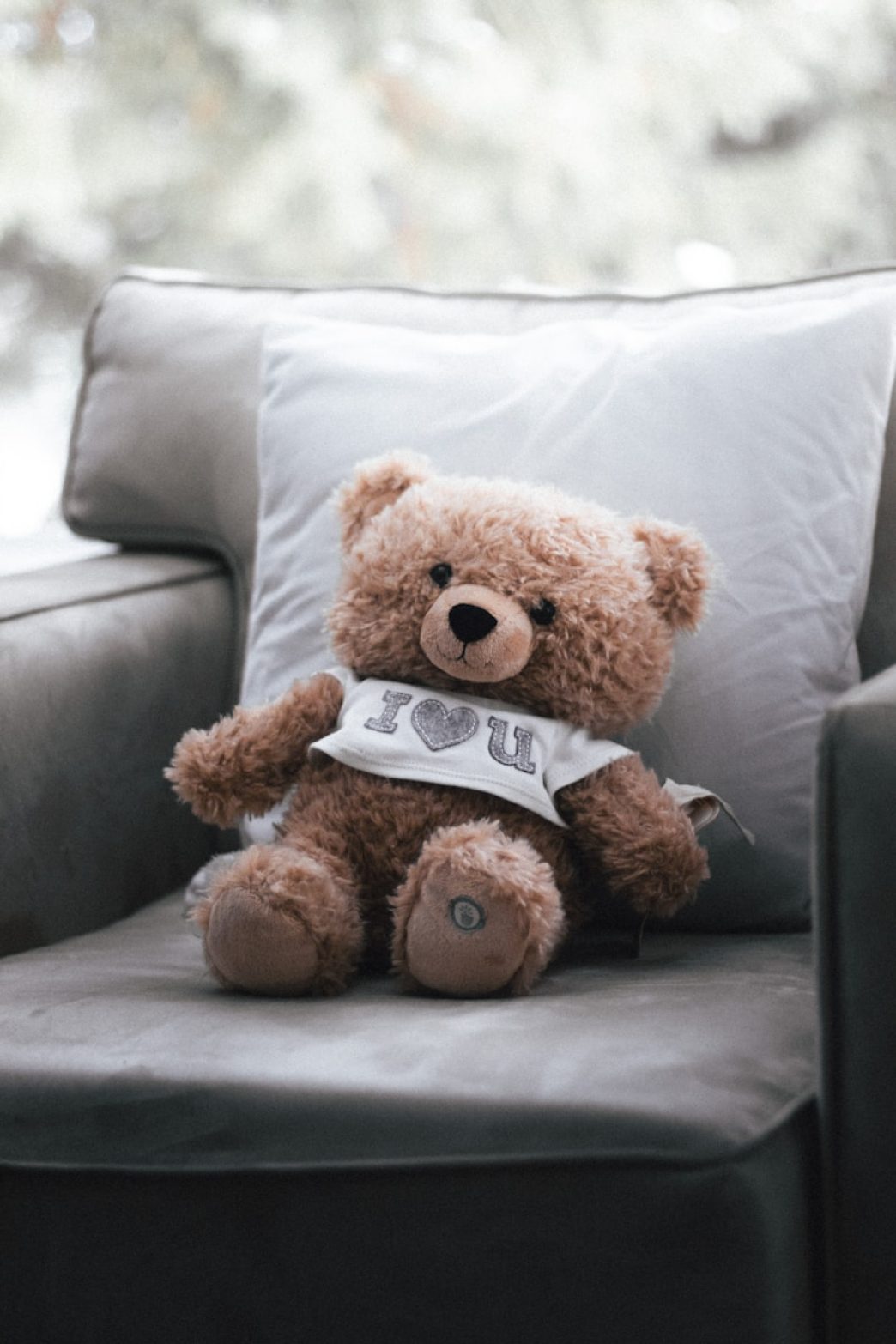
There’s also something undeniably human about designing a character, giving it dimension, and putting it in the hands of a customer. Plush toys become mascots, little ambassadors of warmth. Disney has mastered this through its film characters, turning storylines into soft icons. McDonald’s used them in Happy Meals to quietly build generational loyalty. I remember once seeing a child on a train gripping a slightly scruffy branded bear. It wasn’t new, but it was still clearly loved.
That’s the long game at work. Unlike leaflets or trinkets that get tossed, plush toys tend to stick around. They become keepsakes, part of someone’s space. This is particularly beneficial for brands seeking long-term presence in homes, offices, or even backpacks. And it doesn’t have to be childish. Well-designed plush toys appeal to teens, young adults, and collectors. The psychology behind it is straightforward—plush toys trigger associations with safety and memory. They are surprisingly powerful anchors of emotion.
Designing them well, of course, requires intent. The toy needs to reflect your brand’s values, tone, and visual language. A rugged outdoor brand might lean into animal mascots; a tech startup could turn its logo into a cheerful avatar. HelloPrint offers particularly innovative solutions here, with the ability to tailor not just shape and size, but materials and finishes too. By partnering with HelloPrint, brands ensure high production standards while retaining creative freedom—an exceptionally clear path to consistency and impact.
It’s not just about cuteness. It’s about storytelling. Plush toys can carry narratives—campaign slogans, social causes, or holiday messages. They can reinforce brand character more memorably than words on a screen. And when used at events or trade shows, they provide a reason to pause, to engage, to take something home that actually matters. That moment of contact—soft, personal—is marketing gold.
Social media plays into this too. A branded plush toy invites photos, tags, user-generated content. It’s visually charming, infinitely shareable. Campaigns tied to giveaways or contests using plush toys often show notably improved engagement, especially among younger demographics. There’s also an intriguing collectibility factor—limited editions, seasonal versions, or collaborations with artists can turn simple toys into buzzworthy items.
I once noticed a startup that released a plush robot as part of its launch kit, cleverly referencing its software’s mascot. The toy became a quiet icon, appearing in customers’ offices and LinkedIn posts. It wasn’t just swag—it was identity. That’s when it became clear to me how soft marketing could hardwire brand loyalty.
Metrics for these campaigns aren’t always measured in clicks. They’re felt in feedback, shared in photos, and echoed in brand recall. When a customer thanks you for including “that adorable little fox,” you’ve won more than attention. You’ve earned affection. And affection is far harder to displace than awareness.
Soft marketing with plush toys isn’t a throwback to childhood—it’s a forward-looking strategy rooted in emotion, memory, and tactile connection. It allows brands to enter hearts, not just inboxes. And in a market where emotional resonance defines success, that softness becomes strength.