



The prevailing read on the Iran US tanker strikes is that Washington landed a clean, proportionate blow: Iran fired ballistic missiles at two Navy warships, the US disabled or destroyed three Iranian oil tankers, and the ledger is roughly balanced. The numbers underneath that tidy narrative argue something considerably more uncomfortable.
What Actually Happened on Saturday
The Wall Street Journal first reported that the US military struck three Iranian oil tankers after Iran launched ballistic missiles toward two Navy warships, including an aircraft carrier. A US aircraft carrier and guided-missile destroyer successfully evaded what US Central Command described as multiple unprovoked Iranian attacks. The Islamic Revolutionary Guard Corps had fired ballistic missiles at US forces throughout the conflict before, but targeting the warships directly was characterised by US officials as a major escalation.
Adm. Brad Cooper, Centcom commander, was explicit about the calculus: ‘Let the message to the IRGC be clear: If you shoot at two of our ships, we will impose an even higher economic cost, taking out three of yours. We will not hesitate to defend American forces, and if necessary, destroy Iran’s limited and exposed oil fleet.’
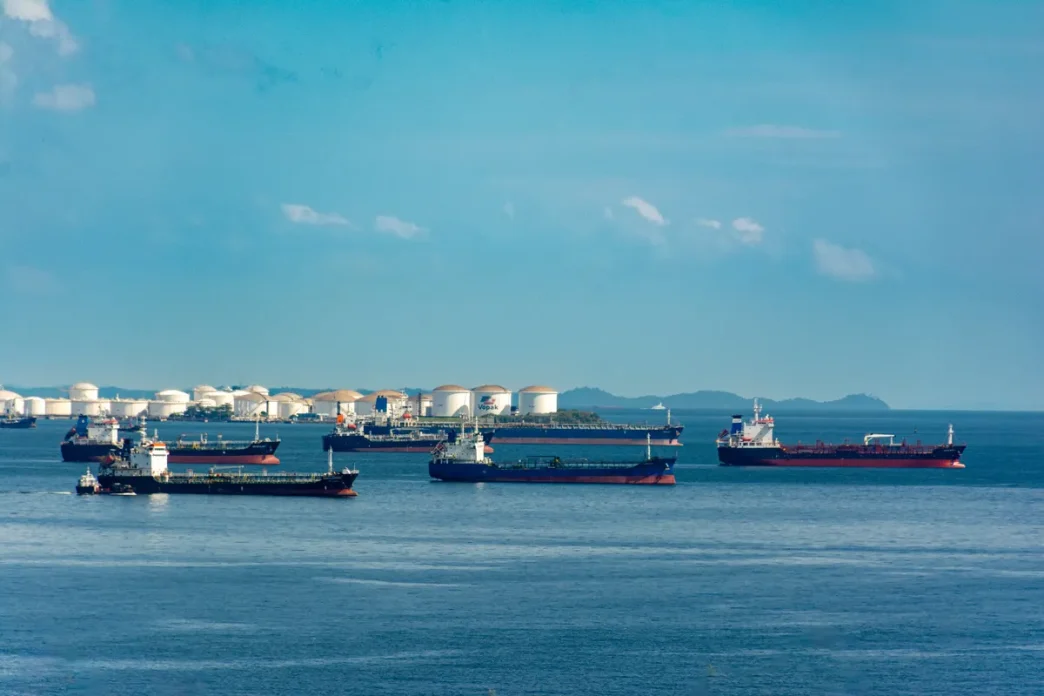
The specific vessels struck fill in detail that the broader headlines left out. According to CENTCOM, American forces permanently disabled the M/T Downy off the coast of Kharg Island, where Iran stores and loads the bulk of its crude exports, and the M/T Stark 1 near Iran’s Jask oil terminal. A third vessel, the unladen crude oil carrier M/T Kylo, also known as the ‘Noxen’, was completely destroyed in the Gulf of Oman. CENTCOM stated it was struck in multiple critical locations to render it inoperable after the crew was directed to abandon ship. Iranian state media confirmed one tanker was struck overnight near Kharg Island.
Iran US Tanker Strikes and the Coercion Question
Here is where the consensus read may be overweighting American leverage. The dominant assumption is that enough economic pressure, including the maritime blockade, will eventually bring Tehran to the table on Washington’s terms. There is a reasonable counter-argument embedded in Tehran’s own behaviour, and it is worth stating plainly.
Iran’s position, as it now operates, is that if it cannot export oil freely, it will not simply allow other parties to do so. The attempted attack on the aircraft carrier is consistent with that posture. Tehran is no longer waiting to be struck before acting; it is increasingly willing to conduct preemptive operations when it believes an American strike is imminent. The distinction between effective economic pressure and successful coercion matters here. Sanctions and a maritime blockade can impose real costs on Iran without bringing it measurably closer to capitulation. The greater the pressure, the more Tehran appears willing to intensify its own actions rather than absorb them passively.
Iran has indicated it remains willing to return to a memorandum of understanding, but on terms it considers acceptable, including a recognised role in future arrangements governing the Strait of Hormuz. That is not a posture of a party preparing to fold. Tehran’s central message, as its actions keep underlining, is economic: maintaining the current pressure campaign will impose costs not only on Iran but on the global economy, and ultimately on American consumers.
That last point is not abstract. The price of diesel hit a new record on Saturday, rising another three cents to $5.8819, with the trajectory pointing toward $6. November Brent crude has climbed above $96. These are the second-order effects of Hormuz instability running through the global energy system, and they are the costs Tehran is betting Washington will find politically unsustainable, particularly with midterm elections approaching.
Iran’s decision-making around direct friction with US forces has shifted materially. The hesitation that previously characterised such decisions is far less evident. Tehran still appears to calibrate escalation within certain bounds, but the direction of travel is toward a more proactive, more offensive posture. Narrative drift in Washington, toward the idea that enough strikes will eventually force Tehran’s hand, may be the more serious strategic risk at this point. The Iran US tanker strikes make for a compelling day’s headlines. Whether they move the underlying conflict closer to resolution is a different, and considerably harder, question.
Adm. Cooper has made the American response doctrine plain: shoot at two US ships and lose three of your own. The Wall Street Journal reports the exchange in those terms. What that doctrine does not yet account for is a Tehran that has already decided the cost is worth paying, and that the contest of pain, as Iranian leaders characterise it, is one they believe they can win. The US Department of Defense has confirmed the tanker strikes; the harder task is explaining how destroying the M/T Kylo in the Gulf of Oman changes Tehran’s underlying strategic calculus.