


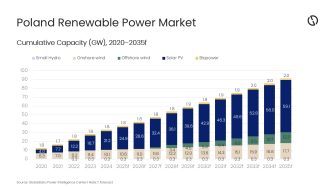

Poland’s electricity system has long relied on domestically produced hard coal and lignite. However, aging coal-fired assets, rising power demand and European Union decarbonisation requirements are increasingly reshaping investment and capacity planning decisions. As coal-based generation declines, new capacity additions are shifting decisively towards renewable energy technologies. Against this backdrop, Poland’s renewable power capacity is forecast to exceed 91.5GW by 2035, up from around 33.3GW in 2024, according to GlobalData, a leading intelligence and productivity platform.
GlobalData’s report, Poland Power Market Trends and Analysis by Capacity, Generation, Transmission, Distribution, Regulations, Key Players and Forecast to 2035, indicates that growth in renewable capacity will be underpinned by national energy policy frameworks, European Union funding mechanisms and steadily increasing electricity demand from industry, services and households over the forecast period.
Solar PV and wind power are expected to account for the majority of renewable capacity growth through 2035. Installed solar PV capacity stood at approximately 21.2GW in 2024 and is projected to rise to around 59.1GW by 2035, supported by utility-scale developments, continued growth in distributed generation and auction-based support mechanisms under the Renewable Energy Sources Act.
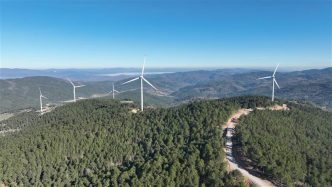
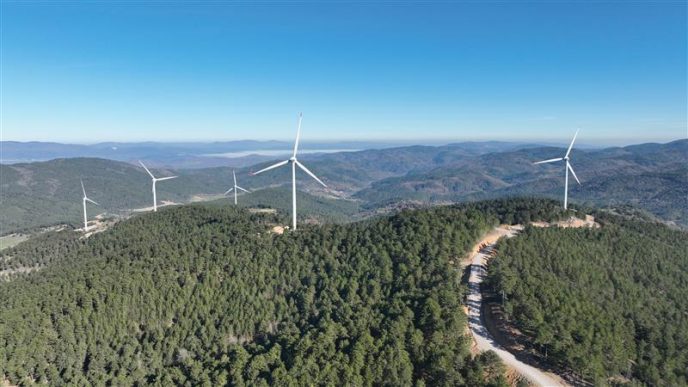
Onshore wind capacity is forecast to expand from about 10.1GW in 2024 to roughly 17.7GW by 2035, driven by regulatory adjustments to siting rules and renewed investor interest. Offshore wind is set to enter Poland’s power mix from 2026 and is projected to reach around 12.3GW by 2035, led by large-scale projects in the Baltic Sea supported by the Offshore Wind Act and long-term contract frameworks.
Mohammed Ziauddin, Power Analyst at GlobalData, comments: “Poland’s renewable expansion is being driven by a combination of national energy policy, European Union climate objectives, and large scale infrastructure investment. Frameworks under the Energy Policy of Poland until 2040 and the updated National Energy and Climate Plan provide long term visibility for renewable deployment, while transmission investments by Polskie Sieci Elektroenergetyczne S.A., the state-owned Transmission System Operator (TSO), are critical to integrating higher volumes of variable generation into the power system.”
Coal continues to play an important role in Poland’s electricity system, but an increasing proportion of the coal fleet consists of aging units facing higher operating costs and stricter environmental compliance requirements. Rising carbon prices under the EU Emissions Trading System, expiring capacity market contracts and limited investment in life extensions are accelerating coal plant retirements. As a result, installed coal capacity is expected to fall steadily from around 32.2GW in 2024 to approximately 20.5GW by 2035.
Natural gas capacity is being expanded to support system reliability and operational flexibility. Gas-fired generation is well suited to mid-merit and peak load operation, offering faster ramping capability and lower emissions intensity than coal. Backed by expanded LNG import capacity, diversified pipeline supplies and stronger regional interconnections, Poland’s gas-based power capacity is forecast to increase from around 5.6GW in 2024 to about 13.2GW by 2035, supporting supply security and rising electricity demand.
Zia concludes: “Poland’s power sector is moving toward a more diversified generation mix, with renewables accounting for the majority of new capacity additions through 2035. Solar PV and wind power are reshaping the system, supported by grid expansion and policy alignment, while gas provides flexibility as coal capacity declines. This approach strengthens supply security and supports Poland’s long term decarbonization objectives.”