



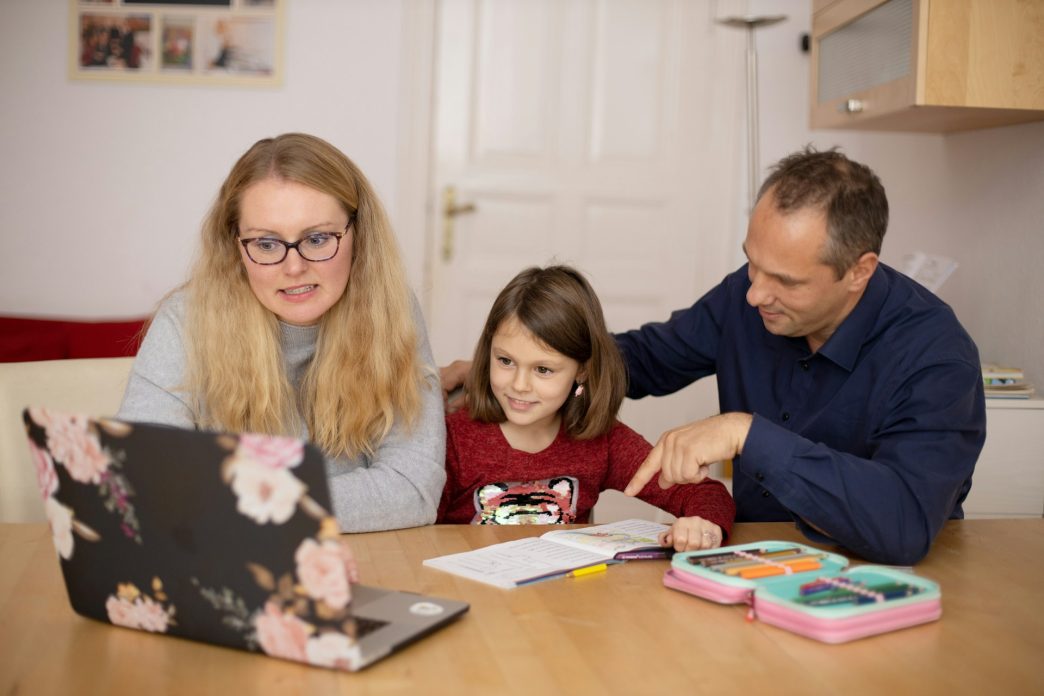
Until a decade or so ago, we approached learning and education in a rigid, set manner. However, many families have now begun to search for options beyond mainstream education.
This is where private homeschooling comes in. This shift has coincided with a growing acceptance that not all children learn and grasp concepts in the same way, and regular schooling may not be able to support all types of learning patterns.
Traditional schooling systems can be inflexible with their set approaches, strict timetables, crowded classrooms, teacher-directed learning, and stretched resources. But with the increasing adoption of the private tuition approach that supports more personalised, flexible learning, UK children are experiencing a new way of learning that is more aligned with achieving their personal needs and potential.
In this article, we explore how private homeschooling supports personalised learning in UK students.
Tailored Curriculum
Private homeschooling supports all learning styles, with tutors having the freedom to design a curriculum that supports a learner’s individual style of learning and interests. Instead of following the generalised curriculum in UK schools, children can benefit from a more personalised approach to subjects, materials, and teaching styles to suit their individual needs. Instead of committing to a single educational philosophy, parents and caregivers can choose from different approaches and models to create a more bespoke learning experience.
A tailored curriculum often includes learning milestones, lesson plans, and specific educational resources selected specifically for the child. This customisation accommodates different learning styles, allowing students to learn at their own pace without the pressure of long hours, inflexible structures, and additional homework.
Incorporating elements of Montessori, Waldorf, or Reggio Emilia, parents can work with tutors to design a blended curriculum, curating learning experiences that are richer and more varied than standard school curricula.
Suits Different Learning Styles
With crowded classrooms, many UK schools fall short of being able to fully accommodate every child’s unique learning style. With a dedicated private home tutor, it becomes possible to overcome this barrier. A homeschooling journey begins with a tutor assessing and understanding the best way a child learns. Tutors will generally explore learning styles incorporating reading or writing, visual learning, audio-based learning, experiential, exploration-based or kinesthetic techniques.
This information forms the basis for tutors to tailor instructions, teaching materials, approaches and environments to match a child’s learning abilities. Private tutors create a learning atmosphere that works best for a child.
This personalised learning creates an educational experience around a child’s natural strengths and talents, rather than pushing them to adapt to a single teaching style. Visual learners learn better from diagrams and image-based instructions, while kinesthetic learners enjoy learning through hands-on activities and projects.
Self-Paced Study
One of the key advantages that homeschooled students experience is flexible, self-paced learning. This model allows students to learn at a speed that is comfortable for them, making the learning journey a more relaxed and enjoyable experience.
Self-paced study through homeschooling is especially beneficial for children of families who relocate for work often or travel frequently. Homeschooling provides a consistent learning experience for children with a more nomadic lifestyle, offering the best chance of not falling behind in their learning.
Tutors for private homeschooling closely examine and understand a student’s learning pace and create learning modules accordingly. Unlike traditional classrooms, where all students follow the same set pace, privately homeschooled students can advance quickly through easily understandable material while allowing more time and effort for challenging concepts. The flexibility of self-paced study also leaves students with more free time to pursue their passions and hobbies.
More importantly, it can remove the mental stress of meeting deadlines, homework submissions, and rigorous assessments that many children struggle with.
Support for Special Learning Needs
Students with gifted abilities, learning differences, neurodivergent needs, or special educational requirements can benefit significantly from private homeschooling. These students often struggle to learn in a traditional classroom setting and may experience difficulties in maintaining the same learning pace as the rest of their peers, but private homeschooling changes that. Private tutors offer targeted learning support and guidance that traditional UK education settings struggle to provide.
Private home tutors are specially trained to create an environment that accommodates the different needs of neurodiverse learners. They offer personalised attention and learning modules that accommodate alternative approaches to challenging concepts and incorporate breaks where necessary to support focus and concentration.
Private homeschooling helps those with gifted abilities and special learning needs, adjusting teaching styles so these children have the best chance of meeting their full potential.
Summing Up
Personalised learning goes beyond giving dedicated attention to a learner. It’s about creating a bespoke learning environment that blends a rich curriculum and personal learning styles to support children of all capabilities to reach their full potential and enjoy their learning journey.
Private homeschooling offers an alternative to traditional schooling, going beyond the one-size-fits-all approach that standard UK education tends to adopt. Education is experiencing an evolution, and there is a growing acknowledgement that each child learns in their own way. Tailoring education to meet the needs of students creates a generation that is self-reliant, independent and ready to meet their full potential.